
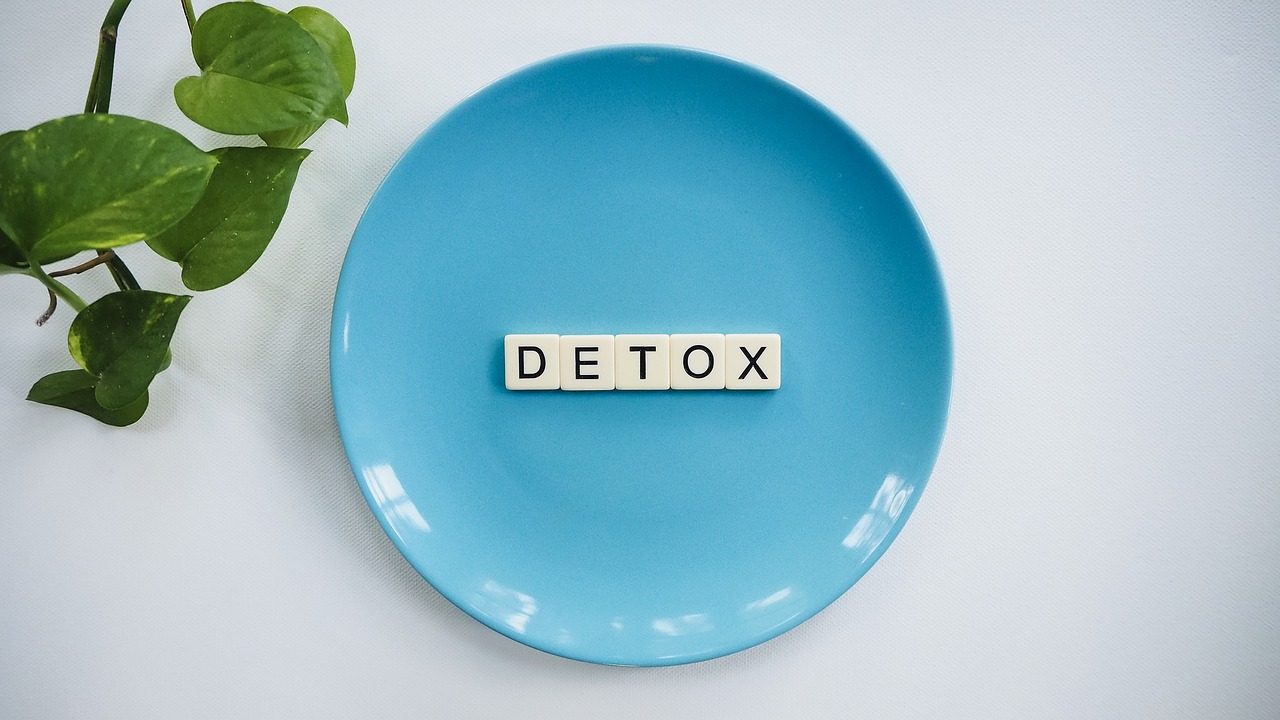
Detoxes are everywhere. From juice cleanses to lemon water to magic teas which are meant to flush out toxins, the idea of resetting your body sounds great but is there actual science supporting the notion that we need to detox? Let’s review the existing evidence before we start chugging that celery juice.

What even is a “toxin”, anyway?
First and foremost, it is important to define what a toxin actually is. Real medicine defines toxins as drugs, alcohol and actual poisons. However, in the detox industry, the word “toxin” refers to anything and everything, such as pollution, processed food, chemicals and that candy bar you ate last night. The problem is most companies that claim to remove harmful toxins don’t define exactly what toxins they remove, how and why those toxins are stored in the body and how their magic ingredients work to remove them.
The truth is: it is the dose that makes the poison. It is a fundamental concept in toxicology and it explains that even water, oxygen and vitamins can be harmful in excessive amounts.
As for the real toxins, our bodies flush them out naturally with the help of:
- Liver filters toxins, breaks down drugs and alcohol
- Kidneys flush out waste through urine
- Lungs expel CO₂ and airborne toxins
- Gut eliminates waste via poop
Science says there is no solid evidence that detox diets remove toxins faster than your body already does. The few studies that do exist have small sample sizes, no control groups and questionable methods. Although some foods have shown they may speed up certain toxin elimination (coriander may help with lead elimination*, for example), most of these studies have been done on animals and not humans so these results need to be taken with a pinch of salt.

Now let’s bust some detox myths:
Myth: Juice cleanses flush out toxins
Reality: While they contain vitamins, they won’t speed up detoxing as your body is doing it anyway PLUS most juice cleanses lack protein and fiber leading to blood sugar spikes and crashes (which on top of other things, will make you extra hangry). Extreme juicing may also increase the risk of developing certain eating disorders**
Myth: detox teas help lose weight
Reality: as many detox teas contain laxatives, they may result in a temporary weight loss due to water loss as you will be spending a lot of time on the toilet. However, these teas won’t help you lose fat and may result in dehydration, electrolyte imbalance and digestion issues.
Myth: detox diets will speed up your metabolism
Reality: if detoxing made metabolism faster, everyone would be doing it instead of actually exercising and growing muscle mass. Most detox diets are just calorie restriction. They can make you lose weight but it’s not sustainable long term. Extreme detoxing can even slow your metabolism, making it harder to keep the weight off.
Myth: activated charcoal helps detox your body
Reality: activated charcoal does bind toxins but only in cases of poisoning or a drug overdose. If you are not being treated for either of these, then you are just drinking pointless goth water.
Myth: drinking Epsom salts will effectively cleanse your body
Reality: they act as a laxative but there is no proof that they remove toxins. In fact, overuse can be harmful: from diarrhea, dehydration and electrolyte imbalances to a very dangerous toxic poisoning. Real life fact: a man in Spain died after consuming the wrong type of Epsom salts as part of a liver cleanse due to manganese poisoning.***
VERDICT:
Based on current evidence, detox diets are unnecessary and overhyped as your body is already doing just that. Instead of looking for a quick fix, it’s way more effective to “detox” the right way:

- Eat real food: leafy greens, garlic, and fiber help your liver work its magic
- Drink Water: hydration = better kidney function = natural detox
- Limit Junk Food & Alcohol: less work for your liver = happy liver
- Exercise & Sleep Well: both help your body clear out waste the natural way
For my fellow science lovers – References:
Detox diets for toxin elimination and weight management: a critical review of the evidence – PubMed
Comments are closed