
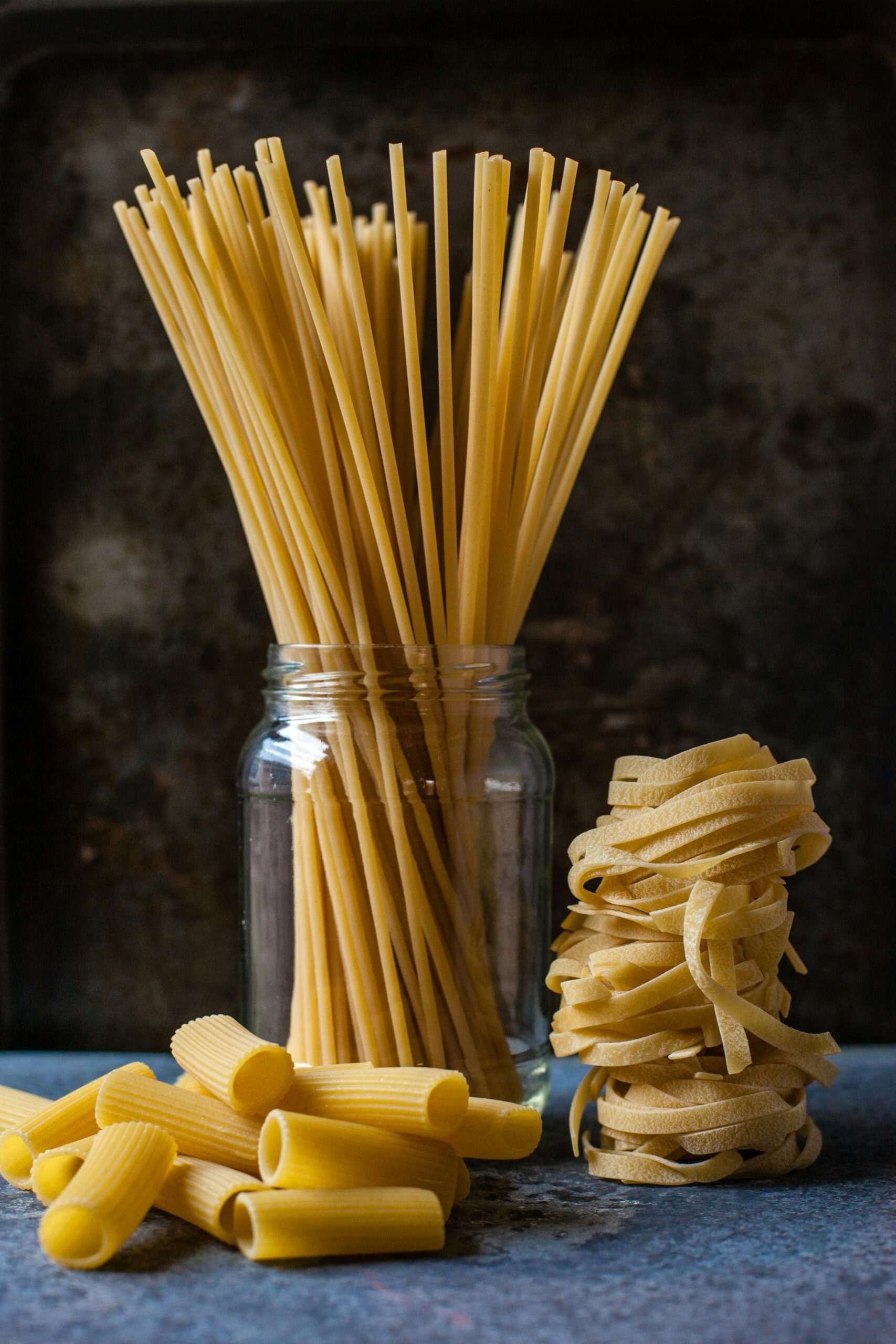
Let’s talk carbs. Are they really to blame for various diseases and those extra pounds or have they been demonized for no good reason?
First and foremost, what is a Carb?
Carbohydrates are one of the three main macronutrients, alongside fat and protein. Carbs come in three basic forms:


- Sugars (simple carbs): Glucose, fructose, sucrose: think table sugar, fruit sugar and your favorite chocolate bar.
- Starches (complex carbs): Found in bread, pasta, rice and potatoes. These break down into glucose too but the process is slower.
- Fiber (complex carbs): Your gut’s BFF. Found in whole fruit, veggies and beans. It helps to keep things moving (yes, I mean poop).
Now that we are on the same page about definitions, let’s look into 2 common questions related to carbs and the existing science on these topics: 1) Are carbs good for you? And 2) Do carbs make you fat?
Are Carbs Good for you:
Carbs are our body’s preferred energy source. They get converted to glucose which then provides us with energy to support bodily functions and physical activity. So they are pretty essential for us to function properly, move around and live our lives.
Having said that, the quality of carbs we consume matters, a lot.
A quinoa veggie bowl and a glazed donut are both carb heavy but they have a very different effect health-wise. One gives your body fiber, vitamins, and lasting energy. The other gives you a brief sugar high followed by a crash and a mid-afternoon nap. There is a lot of scientific evidence showing that complex carbs full of fiber are healthy for us. For example, there is evidence that higher consumption of whole grains reduces the risk of developing Type 2 diabetes, cardiovascular disease and weight gain.*

The opposite is true for diets which lack whole grains and fruit – a large study which examined data from 195 countries showed that a low intake of these foods (both carbs!) are within the top 3 dietary risks which contribute towards mortality and disability around the world.**
To sum up, not all carbs are created equal. The healthiest carb types are whole, complex and minimally processed: veggies, whole fruit, beans, sweet potatoes, quinoa, brown rice and other whole grains. Unhealthier sources of carbs are refined and processed foods such as pastries, candy, sugary drinks, white bread and other processed foods. Current scientific evidence shows that you need to eat whole complex carbs in order to be healthy and reduce the likelihood of developing certain diseases.
Do Carbs make you fat?
Short answer: no. But like with anything in life, context matters.
Weight gain happens when you consume more calories than you burn, no matter where those calories come from. You can technically gain weight even if all you eat is chicken breast and broccoli, if you eat enough of them. Of course, it is much easier to be in caloric surplus if you eat highly processed junk food and candy but as we already discussed, whole grains and veggies are carbs too so it is simply wrong to say that all carbs will make you fat.
In fact, a landmark 2012 study published in the Journal of the American Medical Association compared different macronutrient ratios and found that total calorie intake, not carb content, was the key factor in weight gain and loss. Whether participants ate high-carb or low-carb diets, weight change mainly depended on the basic rule of energy balance.***
There are other studies which debunked the myth that carbs = fat which I will link below for my fellow science lovers.
To sum up, there’s a world of difference between a sweet potato and a frosted donut. Whole carbs like oats, beans, quinoa, and fruit are loaded with fiber, vitamins, and antioxidants. They help regulate blood sugar, improve digestion and keep you full, which actually helps with weight control.

VERDICT
Carbs are not bad. Carbs don’t make you fat. Existing science clearly shows this. Blaming one macronutrient for weight gain or health problems is plain wrong and does not have scientific proof. Instead of cutting out carbs completely, focus on eating smarter: whole grains, fruits, vegetables, and legumes. Balance your meals and enjoy your sourdough (and an occasional cake!) guilt-free.
Comments are closed