
Protein is essential. We need it to build muscle, repair tissues, and keep every system in the body running smoothly. But not all protein sources work the same way inside us. While animal and plant protein both fuel your body, the long-term health effects? That’s where things get interesting (and for many, controversial!).
Recent research is digging deeper into how animal and plant protein impacts things like heart health, longevity, and disease risk. The results might surprise you, and, (spoiler alert!) might change how much chicken you put on your plate.
So, is it better to stick with meat and eggs, or lean into lentils and tofu? Let’s break down what the science actually says.


Where this debate stems from
It is a common misconception that animal protein is superior to plant protein.
Well, Patrik Baboumian and Venus Williams would like a word.
The myth stems from the fact that animal protein is a “complete” protein, meaning it contains all 9 essential amino acids, while some plant foods do not.
But most people will naturally combine more than one plant protein source in a meal (unless you like eating PB straight from the jar). Not only will food combining provide you with all 9 essential amino acids, but it’s also more enjoyable to eat your PB with toast, your beans with rice and your hummus with pita.
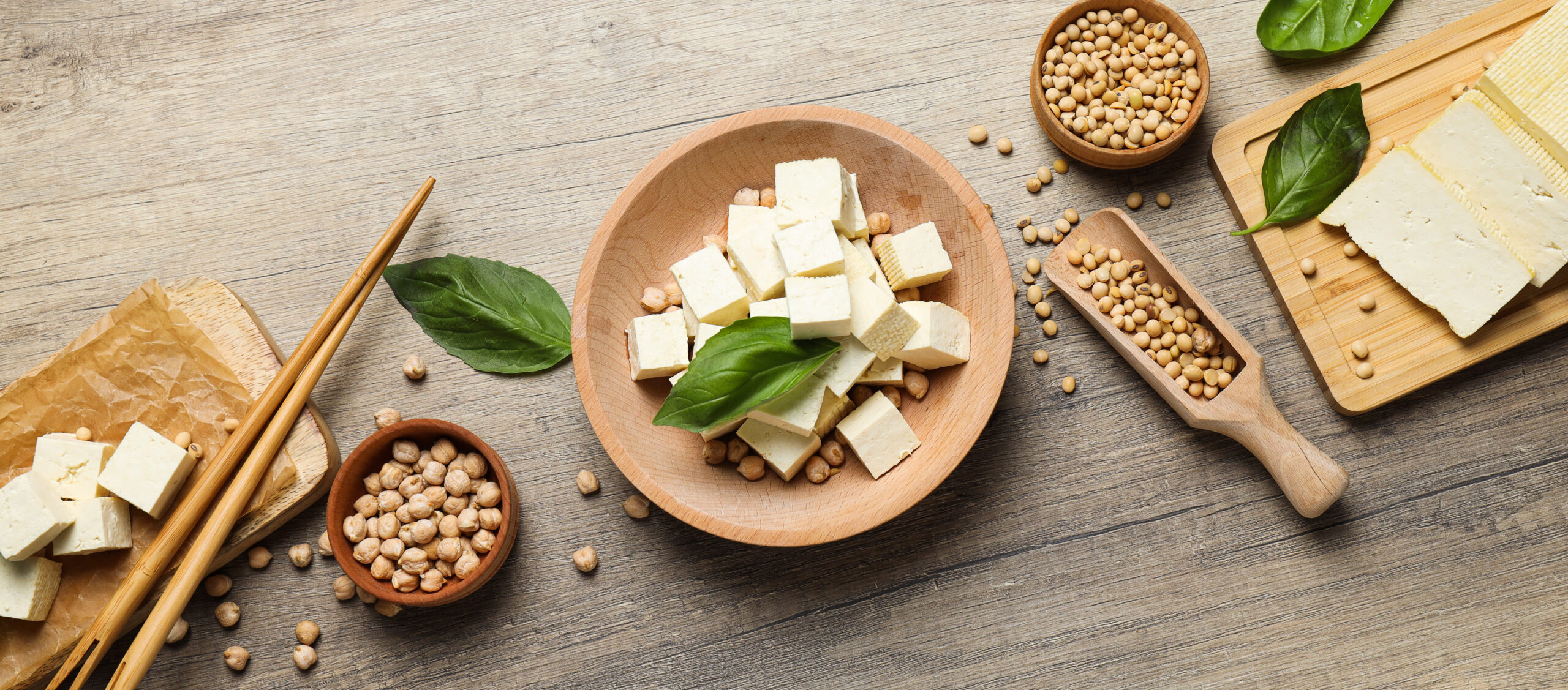
In addition, there are various plant foods which do contain all 9 essential amino acids. So next time you fancy a snack, grab some edamame beans or tofu bites and you are covered!
What the science actually says
A large meta analysis of 32 studies which included over 700,000 participants* found that higher intake of plant protein was associated with a lower risk of all cause and cardiovascular mortality. It concluded that replacement of foods high in animal protein with plant protein sources could improve longevity. So tofu wins!
Researchers in the Netherlands decided to join in on this hot topic and followed almost 8,000 people over 13 years, tracked their diets, and crunched some serious data**. They then combined their results with 11 other studies, totaling 350,000+ people and 64,000 deaths. What they found:
- People eating the most total protein had a 12% higher risk of dying (from anything). But it wasn’t protein itself causing trouble…
- Most of the risk came from animal protein, especially from meat and dairy. The top consumers had a 28% higher risk of dying from heart disease. That’s not a small bump!
- Plant protein from grains and potatoes didn’t do much. However, protein from legumes, nuts and vegetables was associated with lower death risk from everything, including cardiovascular causes.
So again their findings supported the current dietary recommendations to replace your bacon with beans.
As for my fellow fitness enthusiasts:

For those of you wondering whether it’s possible to build muscle while eating plant-based protein, the data clearly shows that it is.
A 2021 meta-analysis of 9 randomized controlled trials found no significant difference between plant and animal protein supplementation on gains in strength or lean body mass, provided total protein intake was matched***.
It is true that some plant proteins are lower in leucine, the key amino acid for triggering muscle protein synthesis. However, combining sources (e.g., legumes + grains) or using concentrated forms (soy, pea, rice protein) appears to level the playing field. In short: it’s total protein and amino acid adequacy that matter most. Not whether your protein comes from a cow or a chickpea.
VERDICT: although animal protein is highly digestible and is a complete protein, it comes with baggage. Numerous studies show that excessive consumption of animal protein (meat in particular) increases the risk of developing various chronic diseases. Replacing some (or better yet, most) of your animal protein with plant protein will support your muscles while also protecting your long-term health.
Comments are closed